


- Category
- Hot products

-
Industrial Valve Installation Guide: Location Requirements and On‑Site Operation Tips
1. Installation direction: Many valves are directional
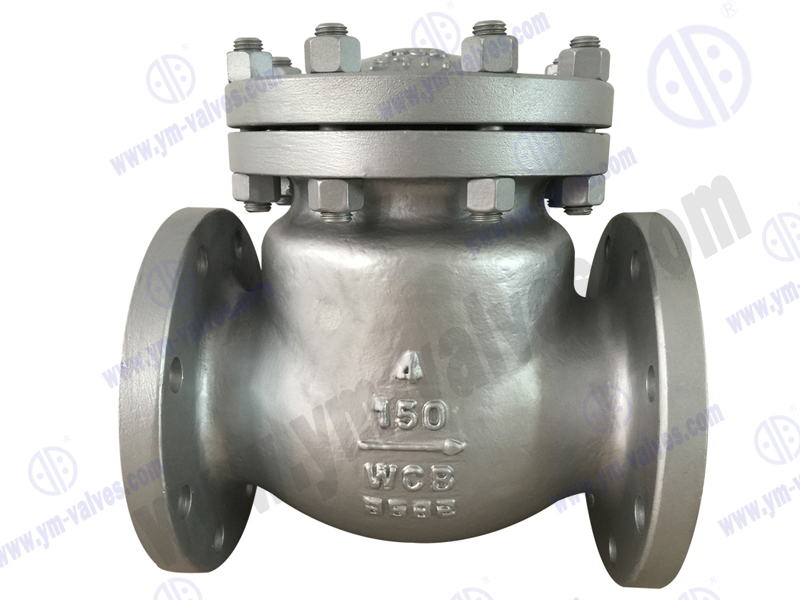
For example, if stop valves, throttle valves, pressure reducing valves, check valves, etc. are installed backwards, they will affect the usage effect and service life (such as throttle valves), or they may not work at all (such as pressure reducing valves), or even pose a danger (such as check valves).
Generally, valves have directional marks on their bodies. In case there are no such marks, one should correctly identify the valve based on its working principle.
The valve chamber of a globe valve is asymmetric on both sides, allowing fluid to pass through the valve port from bottom to top. This results in low fluid resistance (determined by its shape) and requires less effort to open (due to the upward medium pressure). After closing, the medium does not press on the packing, making it easy to maintain. This is why a globe valve cannot be installed upside down.
2. Installation location: The valve installation location must be convenient for operation
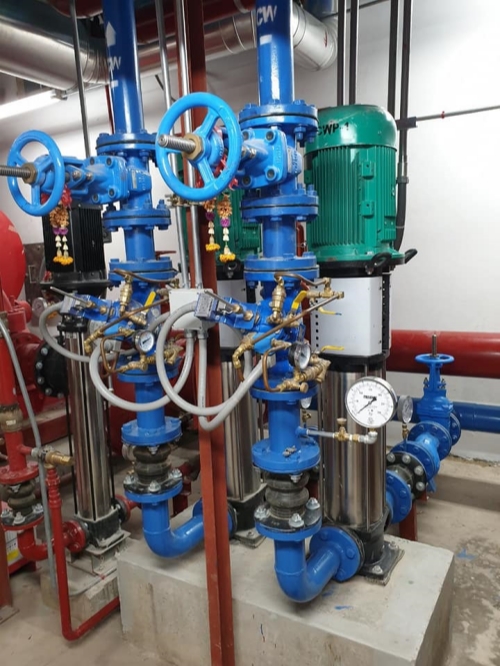
1) Even if the installation is temporarily difficult, we should consider the long-term work of the operators. It is best to keep the valve handwheel at chest height (generally 1.2 meters above the operating floor), so that it is easier to open and close the valve.
2) The handwheel of the valve on the ground should face upward and not be tilted, to avoid awkward operation. For valves that are close to the wall or equipment, sufficient space should be reserved for the operator to stand.
3) Do not install the gate upside down (i.e., with the handwheel facing downwards), otherwise the medium will remain in the valve cover space for a long time, which is prone to corrode the valve stem, and it will be extremely inconvenient to replace the packing.
4) Do not install rising stem gate valves underground, as the exposed valve stem may corrode due to moisture.
5) When installing a lift check valve, ensure that its disc is vertical to facilitate flexible lifting. When installing a swing check valve, ensure that its pin shaft is horizontal to facilitate flexible swinging.
6) The pressure reducing valve should be installed upright on a horizontal pipeline, without tilting in any direction.
3. Before installation
1) Careful verification should be conducted to ensure that the models and specifications of all valves comply with the design requirements.
(Check whether they can be applied under the required conditions according to the valve model and factory manual, and conduct hydraulic or pneumatic tests if necessary.)
2) In addition, it is necessary to check whether the packing is intact, whether the gland bolts have sufficient adjustment margin, and whether the valve stem and valve are flexible, without any jamming or deflection.
(The sealing surface of the valve disc must be tightly closed. For valves with threaded connections, the quality of the threads should be inspected. Unqualified valves cannot be installed and should be stacked separately or marked appropriately.)
3) Remove any impurities from the valve.
4. Installation process
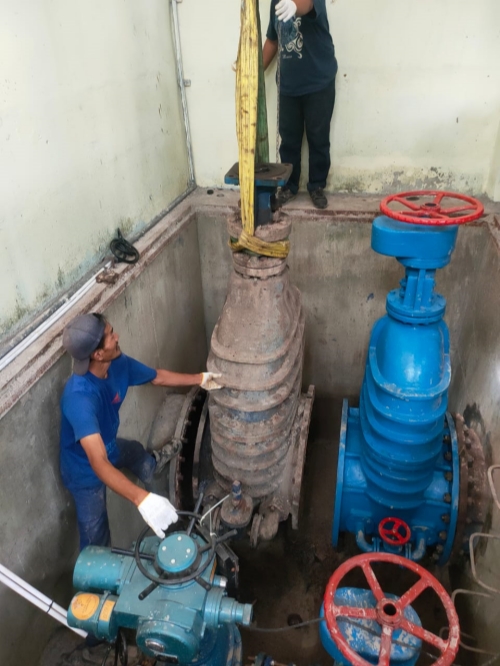
1) When lifting the valve, do not tie the rope to the handwheel or valve stem to avoid damaging these components. Instead, tie it to the flange.
2) The pipeline connected to the valve must be thoroughly cleaned.
Compressed air can be used to blow away iron oxide chips, silt, welding slag, and other impurities. These impurities can easily scratch the sealing surface of the valve, and large particles of impurities (such as welding slag) can even block small valves, rendering them ineffective.
3) When installing a threaded valve, the sealing packing should be wrapped around the pipe threads and should not be put into the valve, to avoid accumulation inside the valve and affecting medium flow.
4) When installing flange valves, it is important to tighten the bolts symmetrically and evenly. The valve flange must be parallel to the pipe flange, with a reasonable gap, to avoid excessive pressure on the valve and even cracking.
5) For valves made of brittle materials or with low strength, which need to be welded to pipes, spot welding should be carried out first. Then, the closure member should be fully opened, and finally, the welding should be completed.