


- Category
- Hot products

-
Industrial Valve Operating Principles: Gate, Globe, Ball, Butterfly, Check & Safety Valve
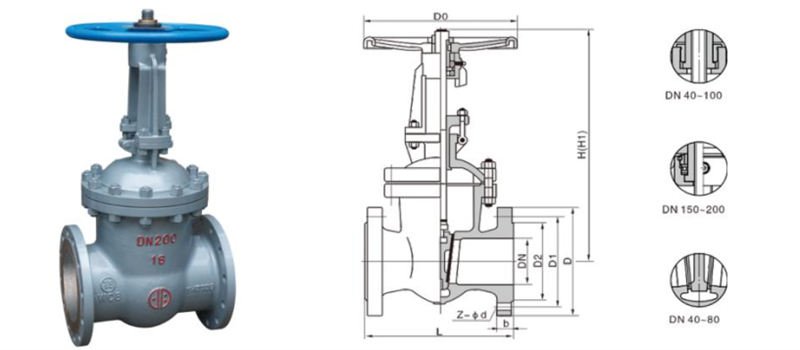
1. Gate Valve
As the valve stem is turned upward, the gate rises, allowing the medium to flow through.
As the valve stem is turned downward, the gate descends, blocking the medium.
The gate is positioned entirely perpendicular to the flow passage. When fully open, the passage has the same diameter as the pipeline, allowing the medium to flow straight through without any turns.
Consequently, gate valves offer the lowest flow resistance, which is why they are exclusively used for primary shut-off applications in large-diameter pipelines.
Remember this rule: The gate moves vertically—it should be either fully open or fully closed; keeping it partially open only leads to wear.

2. Globe Valve
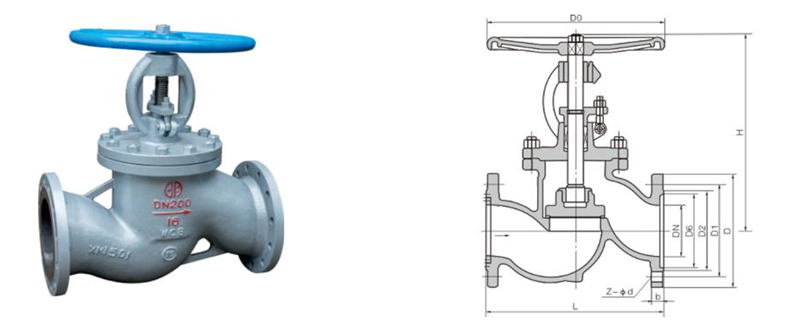
When the valve stem moves downward, the valve disc is pressed against the seat, shutting off the flow.
When the stem moves upward, the disc lifts away from the seat, allowing flow.
A key characteristic is that the medium must make two turns while passing through the valve body (entering low and exiting high), which results in high flow resistance.
However, this tortuous path allows the disc to be positioned anywhere between fully open and fully closed—which is why globe valves can be used for flow regulation.
Key takeaway: The disc moves up and down to regulate flow, but the medium must follow the direction indicated by the arrow.
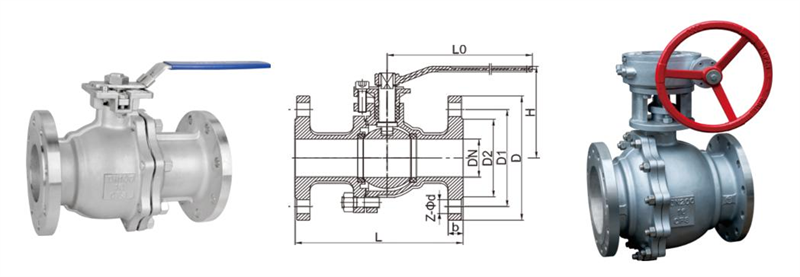
3. Ball Valve
Rotating the shaft 90 degrees aligns the bore with the pipeline, resulting in a fully open position.
Rotating it another 90 degrees brings the solid portion of the sphere to block the pipeline, resulting in a fully closed position.
In a full-bore ball valve, the bore diameter matches the internal diameter of the pipeline, ensuring flow resistance as low as that of a gate valve.
Sealing between the sphere and the seat is achieved through the contact of resilient materials (such as PTFE or metal), ensuring near-zero leakage when fully closed.
Key takeaway: A quarter-turn of the ball opens or closes the valve; however, never leave it in a partially open position, as the flow can damage the sealing surface of the sphere.
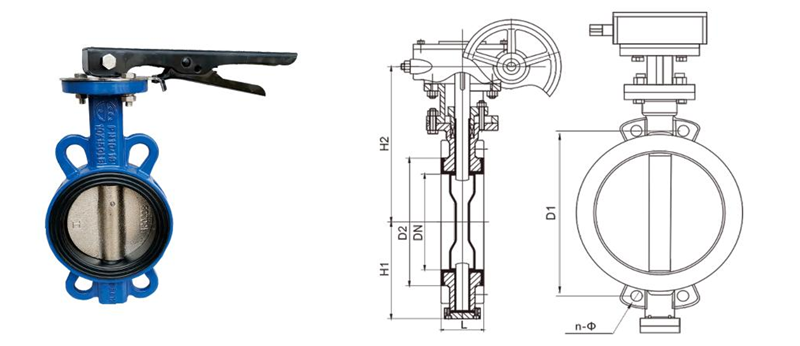
4. Butterfly Valve
When the valve disc is parallel to the direction of the pipeline, the medium can pass through, and the valve is open.
When the valve disc is perpendicular to the direction of the pipeline, the medium is blocked, and the valve is closed.
Since the valve disc always remains within the flow path, a minor amount of leakage may occur even when the valve is closed (unless it is a triple-offset butterfly valve).
The primary advantages of a butterfly valve are its compact size, light weight, and low cost—a DN1200 butterfly valve can be lifted by one person, whereas a gate valve of the same size would require a crane.
In short: the valve opens or closes with a simple turn of the disc. Its greatest strengths are space and cost savings, but it should not be used in high-pressure pipelines.
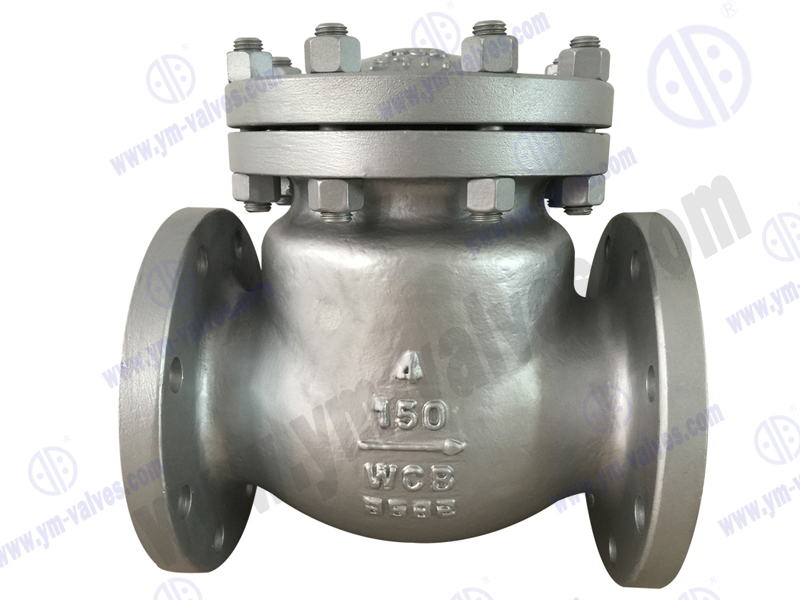
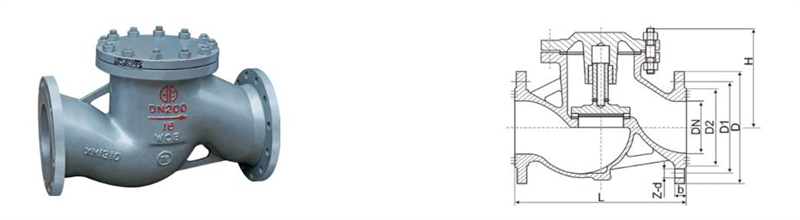
5. Check Valve
When the medium flows forward, it pushes the valve disc open, allowing passage.
If the medium attempts to flow backward, the valve disc closes, blocking the flow.
In a lift-type check valve, the disc moves vertically; in a swing-type check valve, the disc swings open like a door.
A check valve must be installed at the outlet of a water pump—if the pump stops, backflowing water could damage the impeller.
Key takeaway: It allows flow in only one direction and is essential at pump outlets; without it, water hammer could damage equipment.
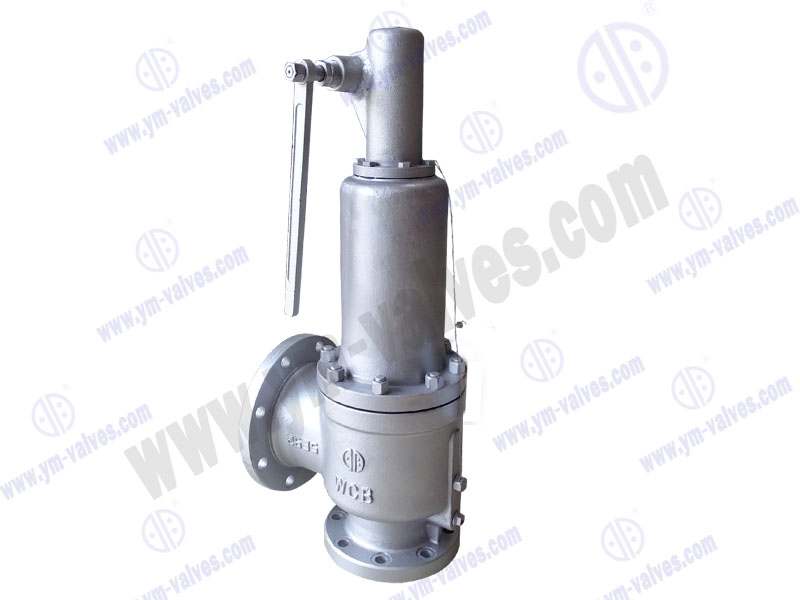
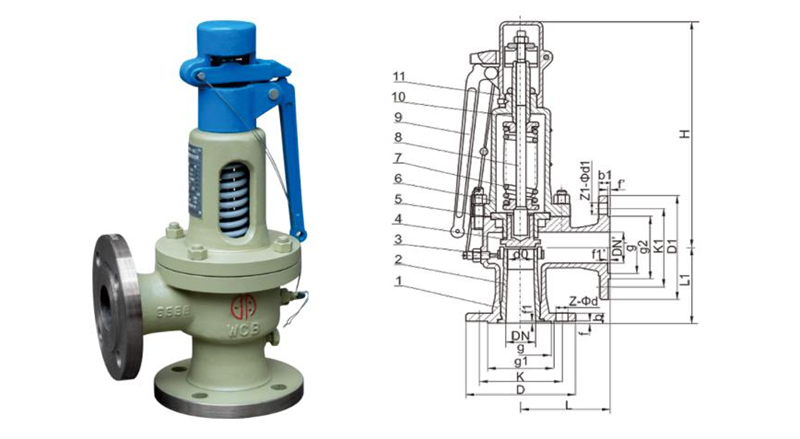
6. Safety Valve
A spring holds the valve disc in place. When the pressure inside a pipeline or vessel exceeds the pressure set by the spring, the medium pushes the disc open to automatically relieve the pressure.
The spring's set pressure is adjustable; for example, if it is set to 2.0 MPa, the valve will open (pop) once the system pressure reaches 2.0 MPa.
Once the pressure drops back to a normal level, the valve closes automatically.
Key takeaway: It opens automatically to relieve pressure when the limit is exceeded; it is a mandatory installation for boilers and pressure vessels.

Quick-Reference Guide to Valve Operating Principles
| Valve Type | Opening/Closing Mechanism | Best Suited For | What to Avoid |
| Gate Valve | Vertical lifting | Full-bore, full-open/full-close | Partial-opening adjustment |
| Globe Valve | Vertical Clamping | Small-Bore Adjustment | Installed in Reverse |
| Ball Valve | 90° rotation | Quick shut-off | Partial-opening flushing |
| Butterfly Valve | 90° rotation | Large-diameter, low-pressure | For high-pressure use |
| Check Valve | Automatic | Anti-backflow | Vertical piping |
| Safety Valve | Automatic | Overpressure protection | Used for regulation |