


- Category
- Hot products
.jpg)
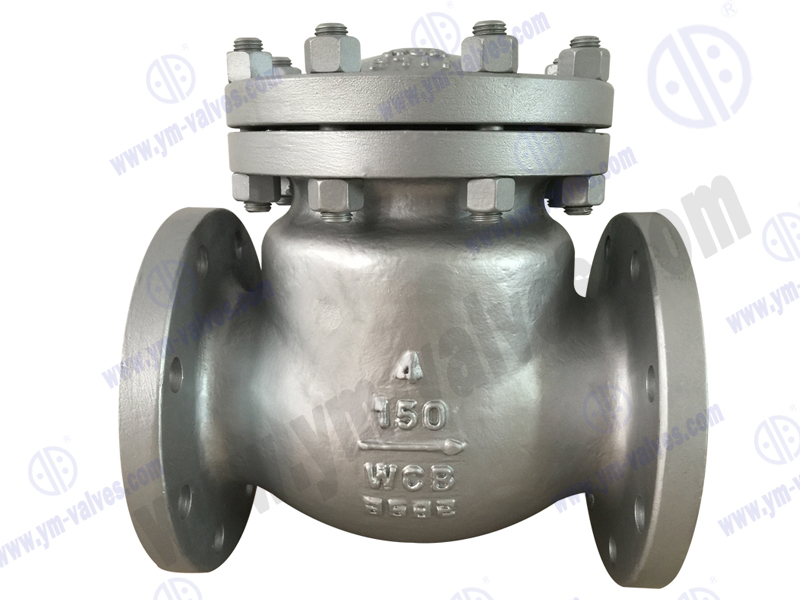
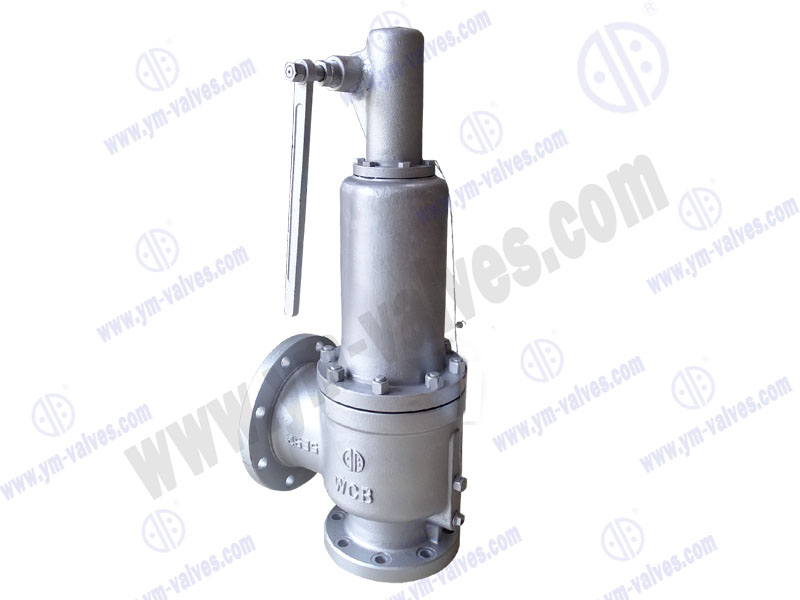
-
Class vs PN Valve Pressure Rating Differences for Engineers
-
Introduction
What's the real difference between valve pressure Class and PN ratings? This technical guide breaks down ASME Class vs EN PN standards, pressure-temperature relationships, and how to choose the right valve for your project.
1. Where Do Class and PN Come From?
PN (Nominal Pressure) comes from the European standard system — primarily EN 1092-1 and DIN standards. It's a metric-based designation where the PN number directly tells you the reference pressure in bar at an ambient temperature of approximately 20°C.
So when you see PN16, that means the valve is rated for 16 bar at room temperature.
Class (Pressure Class) comes from the American standard system ASME B16.34. A Class 150 marking does not mean 150 psi maximum working pressure. The Class number is more of a designation tag — the actual allowable pressure depends on the valve material and the operating temperature.
For a carbon steel valve (Material Group 1.1) at ambient temperature:
• Class 150 = 285 psi (about 19.6 bar)
• Class 300 = 700 psi (about 48.3 bar)
• Class 600 = 1,480 psi (about 102 bar)
The Standards Behind the Numbers:
| System | Primary Standard | Flange Standard | Pressure Unit | Typical Regions |
| PN | EN 12516 / EN 1092-1 | EN 1092-1 | Bar | Europe, Middle East, parts of Asia |
| Class | ASME B16.34 | ASME B16.5 | PSI | North America, oil & gas, international EPC |
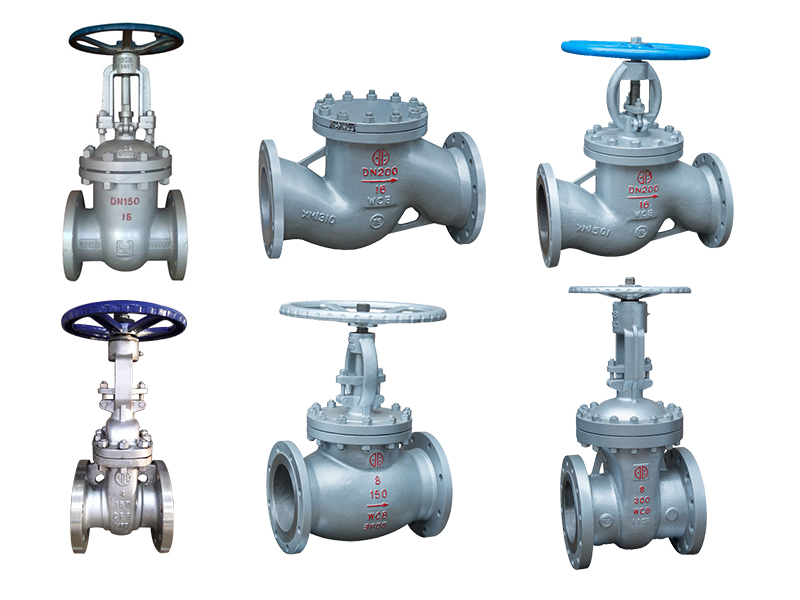
2. Why Temperature Changes Everything
In the PN system, the rated pressure is fixed at ambient conditions (~20°C). When your process temperature goes up, need to consult separate derating tables (EN 12516-2) to find the actual allowable pressure.
For example, a PN16 carbon steel valve at 300°C might only handle around 12.2 bar — not 16.
In the Class system, temperature dependency is baked into the standard from the start. ASME B16.34 provides pressure-temperature rating tables for each material group.
Here's what that looks like for Class 150, Material Group 1.1 (carbon steel):
| Temperature | Max Allowable Pressure |
| -20°F to 100°F | 285 psi |
| 200°F | 260 psi |
| 400°F | 200 psi |
| 600°F | 140 psi |
| 800°F | 80 psi |
A valve that handles 285 psi at room temperature is down to 80 psi at 800°F. If system design doesn't account for this derating, you're looking at potential failures.
3. Can You Convert Class to PN?
For example
• PN16 ≈ Class 150
• PN40 ≈ Class 300
But these are rough approximations for ambient-temperature, low-criticality applications. They should never be used as a direct substitution rule.
4. Why the conversion breaks down:
1) Different pressure bases
PN16 means 16 bar. Class 150 for carbon steel means 285 psi (~19.6 bar). The numbers don't match even at ambient temperature.
2) Different temperature behavior
The derating curves are different because the two systems were developed with different safety factors and testing methodologies.
3) Flange incompatibility
Even when pressure ratings seem close, PN and Class flanges have different bolt circle diameters, bolt hole patterns, and facing dimensions. A PN16 flange will not bolt up to a Class 150 flange. Trying to force the connection is a safety hazard.
If it is necessary to substitute between two systems, the correct approach is to compare the actual pressure-temperature ratings rather than rely on crude conversion charts.
5. How to Choose the Right Rating for Application
Usually comes down to three factors:
1) What standard does the project specify?
If working on a Middle East oil & gas EPC project, chances are the specification calls for ASME Class valves. A European water treatment plant will likely require PN-rated equipment.
2) What are the actual operating conditions?
Look at maximum operating pressure AND maximum operating temperature. Then check the pressure-temperature rating tables for your valve material. The valve pick needs to exceed both, with margin.
3) What's the flange standard on the existing piping?
A critical yet frequently overlooked factor in procurement is the flange standard of the existing piping. Can specify a valve with ideal pressure ratings, but if its flange standard does not match the mating pipe flanges, the valve simply cannot be installed—regardless of its performance parameters.
6. Common Mistakes We See in the Field
After years of supplying valves across different markets, a few mistakes keep showing up:
1) Mixing flange standards
PN and Class flanges look similar from a distance. Up close, the bolt holes don't align. This happens when someone converts a valve order without checking the piping specification.
2) Ignoring temperature derating
A valve selected based on ambient-temperature ratings that gets installed in a high-temperature steam line. Six months later, the seat starts leaking.
3) Assuming "higher number = stronger"
PN100 sounds more robust than Class 600, but they're on completely different scales. Always convert to the same pressure unit before comparing.
7. What This Means for Procurement Team
If sourcing valves across different markets — say, buying from Chinese manufacturers for a European project — make sure purchase order specifies:
• The pressure rating system (PN or Class)
• The exact standard reference (e.g., EN 1092-1 or ASME B16.34)
• The material grade
• The flange standard and facing type
• The design temperature range
In Conclusion
The ability to differentiate between Class and PN ratings goes beyond theoretical knowledge, it is a practical need to reduce field failures, enhance safety assurance, and avoid costly schedule overruns.
Given the parallel use of both systems in today's valve market, proficiency in them is an indispensable requirement for practitioners.